

Table of Contents
- What Single Origin and Blend Coffee Actually Mean
- Single Origin vs Blend Coffee: Flavor, Consistency, and Cost
- Single Origin vs Blend for Espresso: Which Pulls Better Shots?
- Coffee Roast Levels Explained for Single Origins and Blends
- How to Taste Coffee Flavor Notes at Home
- Ethical Sourcing and the Omni-Roast Trend
- Conclusion
- Frequently Asked Questions
Last Updated: September 20, 2026
What Single Origin and Blend Coffee Actually Mean
Single origin vs blend coffee explained comes down to one question: do you want a coffee that tastes like a specific place, or one that tastes the same every single time? At Mainline Roastery LLC, we roast both, and the difference matters more than most labels suggest.
Single origin coffee is coffee sourced from one specific geographical region, farm, or cooperative. A coffee blend combines beans from multiple origins to create a consistent, balanced flavor profile.
That is the short version. The longer version involves flavor, consistency, cost, and how you actually brew the stuff.
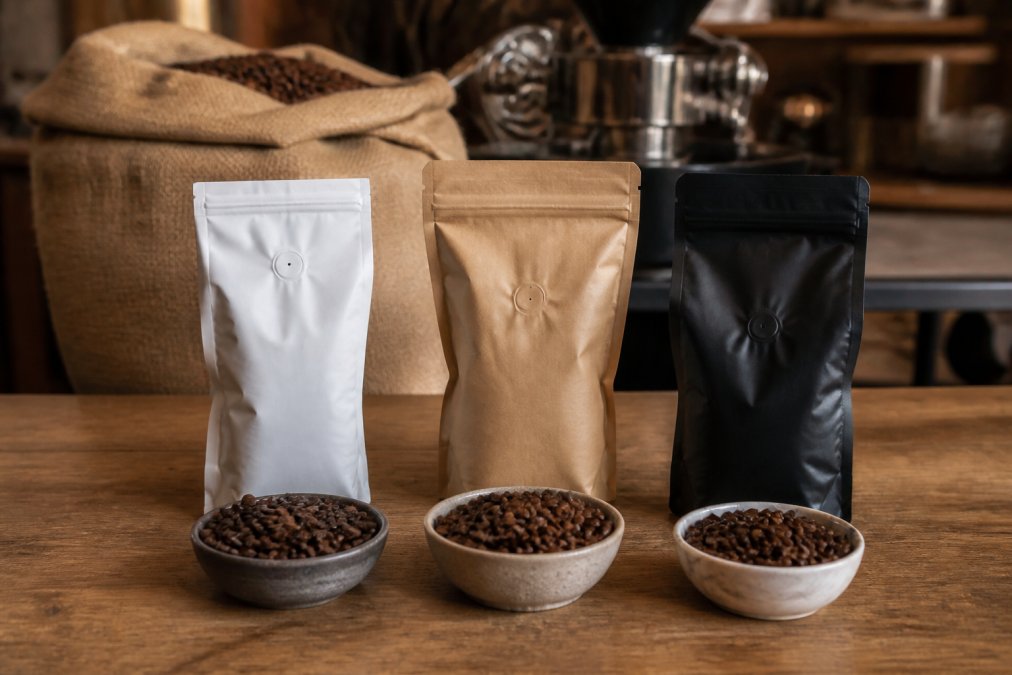
Defining Single Origin
Single origin means the beans trace back to one place. That could be a whole country, a single region, or a specific farm. The point is traceability: you know exactly where your coffee grew.
This transparency lets you taste terroir, the way soil, altitude, and climate shape flavor. A washed Ethiopian coffee might show bright acidity and floral tasting notes. The same varietal grown elsewhere tastes completely different.
Defining a Coffee Blend
A blend mixes beans from two or more origins. Roasters build blends to hit a target flavor, then repeat it batch after batch.
The goal is balance and consistency, not a sense of place. A good blend tastes the same in January as it did in July, even when individual crops shift.
Single Origin vs Blend Coffee: Flavor, Consistency, and Cost
The core trade-off is simple: single origins deliver complexity and nuance, while blends deliver consistency and balance. Which one wins depends on what you value more.
Flavor Profile and Complexity
Single origins shine here. Because they reflect one geographical region, they carry distinct flavor profiles: fruit-forward naturals, clean washed-process cups, syrupy honey-process lots.
Blends trade that singularity for harmony. A roaster might pair a chocolatey Brazilian bean with a bright Colombian one to create notes of chocolate with a lively finish.
Consistency and Balance
This is where blends win, and it is not close. Seasonal availability means a single farm's crop changes, or runs out entirely. Blends absorb those shifts by swapping components while holding the target flavor steady.
Why Single Origin Costs More
Single origins usually cost more, and the reasons are structural, not marketing.
- Micro-lot sizes are small, so volume is limited
- Sourcing one farm's harvest takes more legwork than buying across regions
- Traceable, high-grade lots command higher green coffee prices
- Processing method (washed, natural, honey) adds labor and risk
| Factor | Single Origin | Blend |
|---|---|---|
| Flavor focus | Complexity, terroir | Balance, consistency |
| Consistency | Varies by harvest | Highly repeatable |
| Cost | Typically higher | Typically lower |
| Best for | Exploration, pour-over | Espresso, daily drinking |
Single Origin vs Blend for Espresso: Which Pulls Better Shots?
For espresso, blends usually win, but single origins can be spectacular when dialed in. This is the single origin vs blend for espresso debate, and the answer depends on your setup and patience.
Why Blends Are More Forgiving at the Group Head
The mechanism is component averaging. A blend stacks a chocolatey Brazilian base against a brighter Colombian or Ethiopian component. When one bean's crop shifts slightly, the roaster adjusts the ratio and the cup stays inside a narrow band. That averaging also smooths extraction: if your grind drifts a notch coarse, the darker, more soluble component keeps the shot from collapsing into sourness.
A Starting Recipe for Each
These are starting points, not laws. Adjust one variable at a time.
- Blend espresso: 18 g dose in, 36 g yield out, 25-30 seconds. If it tastes sour, grind finer. If it tastes bitter and dry, grind coarser.
- Single origin espresso (washed, light-medium): 18 g in, 40-45 g out, 28-35 seconds. Longer yield tames the acidity that reads as sour when the shot runs short.
- Single origin espresso (natural or honey process): 18 g in, 36-40 g out, 25-30 seconds. These beans carry more soluble sugars, so a shorter ratio keeps the cup from going syrupy and muddy.
When to Choose Which
- Choose a blend if you want a house espresso that tastes the same next month, if you are still learning your machine, or if you serve milk drinks where consistency beats nuance.
- Choose a single origin if you already have repeatable grind and dose, if you drink espresso straight, and if you want a shot that changes with the harvest rather than hiding it.
Coffee Roast Levels Explained for Single Origins and Blends
Coffee roast levels explained simply: the roast level decides how much of the bean's origin character survives the roaster. Light roasts preserve acidity and origin nuance. Dark roasts push toward roast-driven flavors like smoke and dark chocolate.
Roast level interacts differently with each type:
- Light roast single origin: maximum terroir, brightest acidity, most delicate
- Medium roast single origin: balanced sweetness, still origin-forward
- Dark roast blend: bold, low-acidity, built for milk and sugar
- Medium-dark blend: the classic espresso and drip workhorse
The Mechanism: What Heat Actually Does
Roasting drives two competing reactions. Maillard browning and caramelization build the sweet, toasty, chocolatey compounds that read as "roast flavor." At the same time, heat burns off the volatile acids and aromatic oils that carry origin character, the floral, citrus, and berry notes that make a single origin distinct.
Roast Level by Brew Method
- Pour-over and drip: light to medium roasts let the origin character come through. Water temperature around 200-205°F extracts the brighter acids without scorching them.
- French press and cold brew: medium to medium-dark roasts hold up to longer contact time. Cold brew especially benefits from a darker roast, since low-temperature extraction struggles to pull flavor from very light beans.
- Espresso: medium to medium-dark is the traditional range. Light-roast espresso is possible but demands a finer grind and higher temperature to extract fully.
- Milk drinks: dark roasts cut through milk and sugar. A light single origin under milk often disappears.
The Omni-Roast Trend
Traditionally, roasters pick one method per bean: a filter roast or an espresso roast. The omni-roast trend aims for one profile that works for both. It is a real shift in how small roasters approach a single origin, and it changes the roast-level conversation.
How to Taste Coffee Flavor Notes at Home
Learning how to taste coffee flavor notes is mostly about removing variables. You do not need a lab, just a repeatable method.
- Weigh your coffee. Use a scale, not scoops. A consistent water-to-coffee ratio is the foundation.
- Grind fresh, and grind right. Match grind size to your brewer. Uneven grind ruins extraction.
- Control temperature. Aim for the 195-205°F range most brewers recommend.
- Slurp, don't sip. A quick slurp spreads coffee across your palate and releases aroma.
- Note the finish. Pay attention to aftertaste, body, and mouthfeel, not just the first impression.
- Compare side by side. Cup a single origin against a blend to train your palate on the difference.
Ethical Sourcing and the Omni-Roast Trend
Two things are changing how people buy coffee, and most comparison guides skip both.
Conclusion
Choosing between single origin and blend coffee comes down to what you want from the cup: a specific place, or a dependable daily pour. Both have a job, and the best coffee drinkers keep both on the shelf.
Frequently Asked Questions
Is single origin coffee better than a blend?
Neither is objectively better; they serve different purposes. Single origin highlights the unique terroir, varietal, and processing method of one geographical region, offering distinct tasting notes like fruit-forward acidity or floral nuance. Blends combine beans from multiple regions to create a consistent, balanced flavor profile that's easier to reproduce year-round. Your choice depends on whether you value complexity and transparency or uniformity and balance.
Which is better for espresso: single origin or blend?
Blends are traditionally preferred for espresso because they combine beans for balance, body, and consistency, making extraction more forgiving. Single origins can work well for espresso but often require careful calibration of your water-to-coffee ratio and grind size to avoid sour or bitter shots. If you enjoy experimenting with extraction and want to taste a specific region's character, try a single origin. For repeatable, crowd-pleasing shots, a blend is the safer bet.
Why is single origin coffee more expensive?
Single origin coffee typically costs more because it's sourced from one specific farm, cooperative, or micro-lot, often at higher prices due to limited seasonal availability and the labor-intensive separation required during harvest. Blends can use beans from multiple sources, allowing roasters to balance costs. The price also reflects traceability and the terroir-driven quality that single origins showcase. For espresso or daily drip, a blend may offer better value per cup.
How does roasting affect the flavor profile of blends versus single origins?
Roast level dramatically influences both. A light roast preserves the bean's natural acidity, fruit-forward notes, and terroir, which is ideal for showcasing a single origin's complexity. Darker roasts caramelize sugars and mute origin characteristics, creating notes of chocolate and a heavier body, which can unify a blend's components. For blends, roasters often choose a medium or dark roast to achieve consistency and balance across different crops.