

Table of Contents
- Single Origin vs Blend Coffee: What Actually Changes in Your Cup
- How to Read Coffee Labels: What Tells You the Beans Are Worth Buying
- Coffee Flavor Profiles Explained: Matching Beans to What You Actually Like
- Best Coffee Processing Methods and How They Shape Flavor
- How to Choose Single Origin Coffee by Roast Level and Freshness
- Budget vs Premium Single Origin Coffee: What Your Money Actually Buys
- Pairing Single Origin Coffee With Your Brewing Equipment
- Conclusion
- Frequently Asked Questions
Last Updated: September 13, 2026
Single Origin vs Blend Coffee: What Actually Changes in Your Cup
Single origin coffee is coffee sourced from one specific geographic region, farm, or cooperative, rather than a mixture of beans from multiple locations. This traceability means you taste the distinct character of one place, one harvest, and one processing method.
This guide breaks down how to choose single origin coffee that matches your taste, equipment, and budget. A blend is engineered for consistency; a single origin is a snapshot of a season, a farm, and a decision made at harvest.
That difference shows up in the cup. Single origin coffees typically deliver more acidity, clearer tasting notes, and greater complexity than blends, which prioritize balance and repeatability. To taste a specific terroir, single origin is the only way.
The trade-off: single origins vary more bag to bag and demand more brewing attention. Below, we'll show you how to read a label, match a flavor profile to your preferences, and avoid paying premium prices for beans that don't deliver.
How to Read Coffee Labels: What Tells You the Beans Are Worth Buying
The most useful information on a coffee bag is the harvest date, not the roast date. Roast date tells you freshness. Harvest date tells you whether the beans were stored properly before roasting.
Here's what to look for, in order of importance:
- Origin specificity: "Ethiopia" is vague. "Yirgacheffe, Konga Woreda, Gera Estate" tells you the micro-lot, farm, and region.
- Processing method: Washed, natural, honey, or experimental. This shapes flavor more than roast level.
- Altitude: Higher-grown beans (1,600 meters and above) tend to be denser with more acidity and nuance (The Growing Altitude Influences the Flavor Precursors, Sensory Characteristics and...).
- Varietal: Heirloom, Bourbon, Typica, Gesha. Named varietals signal deliberate cultivation.
- Roast date: Within 2-4 weeks of purchase is ideal for filter brewing.
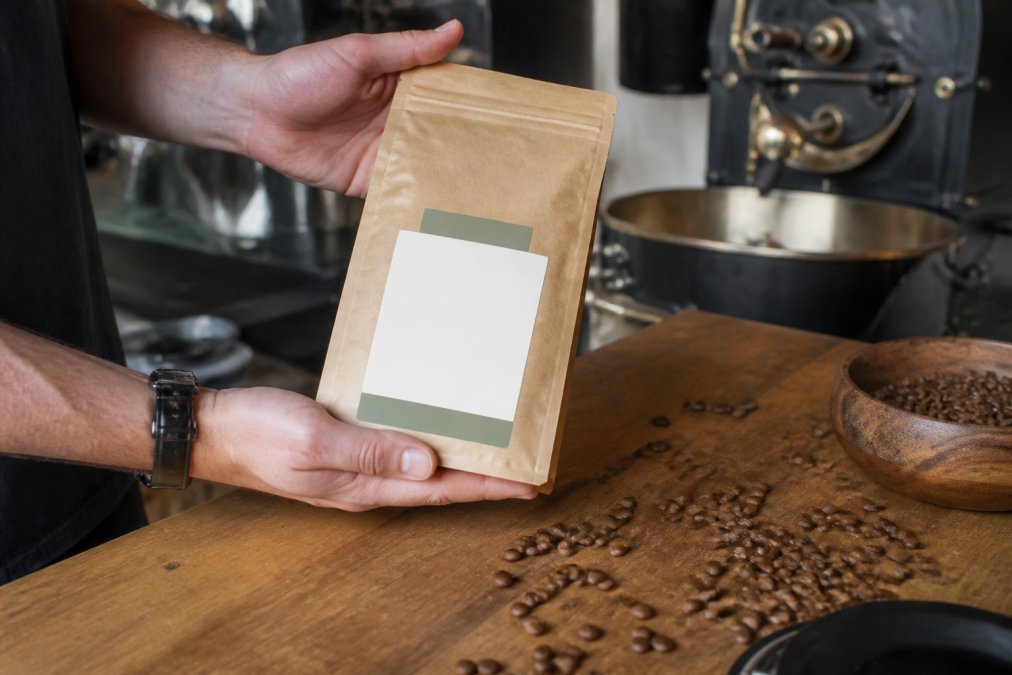
What most labels bury is traceability. A roaster confident in their sourcing names the cooperative, the estate, and the direct trade relationship. Vague labels often mean the beans passed through several hands before roasting.
Coffee Flavor Profiles Explained: Matching Beans to What You Actually Like
Coffee flavor profiles describe the combination of acidity, body, sweetness, and tasting notes that define how a coffee tastes. Matching a profile to your preferences matters more than chasing the highest-rated bag on the shelf, but most drinkers never learn to identify what they're tasting, and you can't match a profile you can't perceive.
Start With What You Already Drink
If you like dark chocolate and toasted nuts, look for Brazilian or Sumatran single origins with a natural process or darker roast level. If you gravitate toward tea and citrus, Ethiopian and Kenyan washed coffees will feel familiar.
| If You Like... | Look For... | Regions to Try | Processing |
|---|---|---|---|
| Chocolate, caramel, nuts | Low acidity, full body | Brazil, Sumatra, Guatemala | Natural, dark roast |
| Citrus, berries, tea | Bright acidity, light body | Ethiopia, Kenya | Washed, light roast |
| Stone fruit, honey | Balanced acidity, medium body | Colombia, Costa Rica | Honey process |
| Floral, delicate | High acidity, silky body | Panama, Rwanda | Washed, light roast |
Sensory Training: How to Actually Taste What You're Drinking
Before you can choose a single origin, you need a vocabulary for what's in the cup. The Specialty Coffee Association's flavor wheel breaks tasting notes into categories like fruity, floral, sweet, nutty, and roasted. You don't need to memorize it, you need three reference points to compare against.
The three-variable method. Brew two coffees side by side with the same grinder, ratio, and water temperature, changing only one variable at a time. Swap origins but keep process and roast the same, and any difference is terroir; swap processing but keep the origin, and the difference is fermentation. It works at home with two small bags.
Acidity is the easiest to train. It's not sourness but the bright, juicy sensation on the sides of your tongue, like biting a green apple versus a red one. A Kenyan washed coffee at a light roast shows it clearly. If you can't taste it, drop water temperature to 195°F and grind coarser; over-extraction flattens acidity into bitterness (Water and Coffee Acidity).
Body is mouthfeel, not flavor. Compare a French press Sumatra to a pour-over Ethiopian: the Sumatra coats your tongue, the Ethiopian feels like tea. Body is driven by bean density, processing, and how much insoluble material reaches the cup.
Sweetness is hardest to isolate because roast and brew both influence it. A honey-process Costa Rican at a medium roast is a reliable training coffee. If the cup tastes hollow, your extraction is underdeveloped; tighten the grind slightly and taste again.
Mouthfeel is the underrated variable. Two coffees can share identical tasting notes yet feel completely different, one syrupy, one tea-like. If you've disliked a coffee that "should" have suited you, mouthfeel is usually the culprit.
A Beginner's Tasting Flight
To shortcut the learning curve, buy three 4-ounce bags from the same roaster: a washed Ethiopian, a natural Brazilian, and a honey-process Colombian. Brew all three the same way on the same morning, the contrast teaches more in one session than a month of reading. Sample packs can be a way to find your profile before committing to a full bag.
Best Coffee Processing Methods and How They Shape Flavor
The processing method determines how the coffee cherry becomes a green bean and influences flavor as much as origin does. Three methods dominate specialty coffee.
Washed process removes the fruit before drying, giving a clean, bright, transparent cup with acidity front and center. It's the best starting point for tasting a region's terroir without distraction.
Natural process dries the whole cherry around the bean, giving heavier body, pronounced fruit sweetness, and a fermented edge. Naturals are polarizing: some find them wild and complex, others muddy.
Honey process sits between the two, leaving some mucilage during drying. It balances sweetness and clarity, a forgiving choice for drinkers who want complexity without extremes.
How to Choose Single Origin Coffee by Roast Level and Freshness
Roast level and freshness are the two variables you control most directly when you choose single origin coffee. Get them right and most beans taste close to their potential.
Light roasts preserve origin character, acidity, and delicate tasting notes, best for pour-over and filter where extraction is gentle. Medium roasts balance origin and roast flavors across most brew methods. Dark roasts mute origin character for caramelization and smoke, which is why they're common in blended coffee and espresso.
A simple decision framework:
- If you brew pour-over or drip: choose a light to medium roast, 2-3 weeks off roast.
- If you brew espresso: choose medium to medium-dark, 5-10 days off roast for easier extraction.
- If you use a French press or cold brew: medium roast handles the long steep without turning bitter.
- If you're unsure: buy a medium roast from a washed single-estate coffee. It's the safest bet.
Freshness has a window. Coffee peaks roughly 4-14 days after roasting for filter, and 5-12 days for espresso. Before that, it degasses and tastes flat. After three weeks, acidity fades and the cup turns papery.
Budget vs Premium Single Origin Coffee: What Your Money Actually Buys
Price in single origin coffee tracks three things: altitude, varietal, and labor intensity at the farm. The practical question is simpler: how do you shop well on a real budget without wasting money on beans that don't deliver?
The Per-Cup Math That Changes Everything
A 12-ounce bag of single origin coffee brews roughly 16 to 20 cups at a standard 1:16 brew ratio (about 18 grams per 10-ounce cup) (Water and Coffee Acidity). A $16 bag costs about $0.80 to $1.00 per cup; a $24 bag costs $1.20 to $1.50. The gap between budget and premium is often less than a cafe drip coffee, you're choosing between two daily costs that differ by pocket change.
Where the math breaks down is waste. Freshness is a multiplier on every dollar you spend.
Where Budget Single Origins Deliver Real Value
Budget-friendly single origins typically come from large estates or cooperatives at moderate altitude, with high-yield varietals and washed processing, consistent, clean, and excellent for daily drinking. The best value categories:
- Brazilian and Colombian washed coffees from established cooperatives. Large volume, reliable quality, and a flavor profile that works across brew methods.
- Blends sold as single-origin-adjacent. Some roasters sell a "house single origin" that rotates seasonally. You get traceability without the micro-lot premium.
- Subscription clubs with rotating origins. Many roasters offer 12-ounce subscriptions at a lower per-bag price than retail, and the rotation gives you tasting variety without committing to a full bag of something you might not like.
- Direct-from-roaster online orders. Buying straight from the roaster's site usually beats grocery shelf prices, and you get a roast date instead of a vague "best by" stamp.
Where Premium Actually Earns Its Price
Premium micro-lot coffees come from small plots, often at higher altitude, with hand-sorted cherries and experimental processing. They cost more because the farm invested more. What your money buys:
- Traceability down to the plot, not just the region
- Bean density from higher altitude, which concentrates flavor
- Rarer varietals like Gesha or Pink Bourbon
- More labor in sorting and processing
None of that guarantees a better cup for your palate. A $30 Gesha brewed poorly tastes worse than a $14 Brazilian brewed well. Premium beans reward attention to grind size, water temperature, and brew ratio more than budget beans, because their delicate notes are easier to destroy.
A Practical Shopping Framework
- Set a per-bag ceiling and stick to it. Most drinkers find their sweet spot. Above a certain price, you may be paying for rarity.
- Buy smaller bags more often. A 12-ounce bag lasts about two weeks at two cups a day. Buying 5-pound bulk bags to save money backfires unless you freeze them properly in single-dose portions.
- Check the harvest date, not just the roast date. A current-crop coffee roasted last week beats a past-crop coffee roasted yesterday.
- Try before you commit. Sample packs and 4-ounce bags let you test a roaster's style before buying a full pound.
- Rotate one premium bag in per month. Use budget-friendly origins for daily drinking and one micro-lot as a weekend treat. You get the learning without the monthly bill.
Pairing Single Origin Coffee With Your Brewing Equipment
Your grind size, water temperature, and brew ratio decide whether a great single origin tastes great in your kitchen. Match the coffee to the gear, not the reverse.
Pour-over (V60, Chemex, Kalita): Rewards light-roast, high-acidity coffees. Use a brew ratio around 1:16, water at 200-205°F, and a medium-fine grind.
Espresso: Medium roasts with balanced acidity and body extract most reliably. Aim for 1:2 ratio in 25-30 seconds. Light-roast single origins can work but demand a finer grind and higher water temperature.
French press: Medium roasts with fuller body shine here. Coarse grind, 1:15 ratio, four-minute steep.
Cold brew: Medium to medium-dark roasts with chocolate and nut notes. Coarse grind, 1:8 concentrate ratio, 12-16 hours.
Moka pot: Medium roasts from Brazil or Colombia. Fine grind, low heat, pull off before the sputter.
The mistake most people make is buying a delicate light-roast micro-lot and brewing it in a machine built for dark-roast blends. The coffee isn't the problem. The pairing is.
Conclusion
Choosing single origin coffee well comes down to matching four variables: flavor profile, processing method, roast level, and freshness. Align those with your brewing setup and preferences, and you'll stop guessing at the shelf.
That's the standard Mainline Roastery LLC roasts to. We source specialty coffee single origins and blends, roast them fresh, and ship fast so what lands in your grinder still tastes like the farm it came from. Whether you're pulling espresso before a long shift or dialing in a pour-over at home, our beans are built for bold flavor and delivered quickly. Explore the current single origin lineup at Mainline Roastery LLC and taste the difference freshness makes.
Frequently Asked Questions
Which single origin coffee is considered the best?
There is no single best origin. Ethiopian beans often deliver floral and berry notes, Colombian beans lean balanced and caramel-sweet, and Kenyan beans bring bright acidity with blackcurrant flavors. The right pick depends on your preferred flavor profile and how you brew. Buy from a roaster that prints the harvest date and farm name, then try two or three origins side by side to find what you actually enjoy.
Are single origin coffees better than blends?
Neither is universally better; they serve different purposes. Single origin coffee highlights one region's terroir, so flavors shift with each harvest and you taste the specific farm or cooperative. Blends combine origins for consistency and balance, which suits espresso and daily drip routines. If you want traceability and nuance, go single origin. If you want the same cup every morning, a blend is the safer choice.
What should I look for on a coffee label when buying single origin coffee?
Look for four things: the specific country and region, the farm or cooperative name, the processing method, and the roast or harvest date. A label that says only 'Colombia' tells you little. One that reads 'Huila, Colombia, Finca La Esperanza, washed, roasted March 2026' gives you traceability, flavor expectations, and a freshness benchmark. If the roast date is missing, treat that as a warning sign.
How does altitude affect the taste of single origin coffee?
Higher altitudes slow cherry maturation, which builds bean density and concentrates sugars and acids. That typically shows up as more complexity, brighter acidity, and layered tasting notes. Beans grown above roughly 1,200 meters often land in the specialty grade. Lower-altitude coffees tend to taste softer and less acidic, which some drinkers prefer for dark roasts and milk-based drinks.
What is the difference between washed and natural process coffee?
Washed process removes the fruit before drying, producing clean, bright cups with clear acidity and defined origin character. Natural process dries the whole cherry around the bean, which ferments sugars into the seed and creates heavier body with berry or tropical fruit notes. Honey process sits between the two, leaving some mucilage on the bean for a sweeter, rounder result with moderate acidity.
How do I identify my preferred coffee flavor profile?
Start with a cupping or a side-by-side tasting of three origins brewed the same way. Note whether you gravitate toward bright and fruity, chocolatey and nutty, or floral and tea-like cups. Keep a simple log of origin, roast level, and processing method for each bag. After four or five entries, patterns emerge and you can shop by those markers instead of guessing from marketing copy.