

Table of Contents
- Why Local Roasted Coffee Tastes Better
- Coffee Bean Roast Dates Explained
- How to Store Coffee Beans for Maximum Freshness
- Supporting the Local Economy and Community Impact
- Environmental Impact and Reduced Carbon Footprint
- Best Wholesale Coffee for Offices
- How to Identify a True Local Roaster
- Frequently Asked Questions
Last Updated: September 17, 2026
Why Local Roasted Coffee Tastes Better
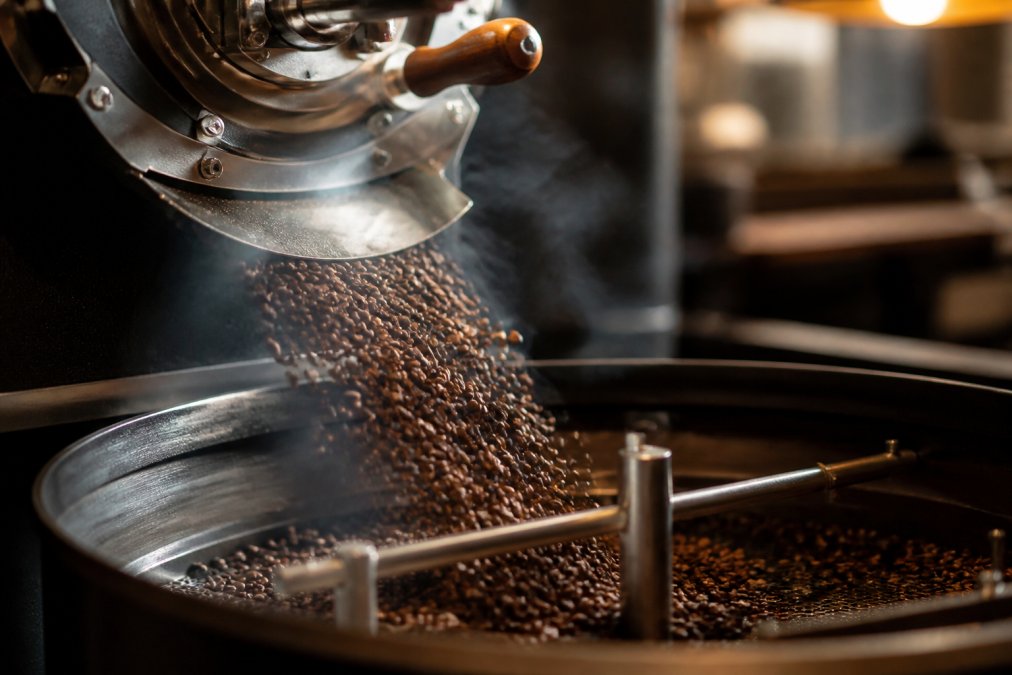
Freshly roasted coffee from a local roaster reaches your cup within days of roasting, not months. That gap is the whole story. The benefits of buying local roasted coffee start with flavor you can actually taste, because the beans were roasted for peak freshness and shipped fast, not warehoused for a national supply chain. At Mainline Roastery LLC, every bag is roasted to order and shipped the same day, which is why the difference shows up in the first sip.
Peak Freshness and Flavor Profiles
Coffee hits its best window roughly 4 to 14 days after roasting. In that stretch, the flavor profile shows up clearly: chocolate, citrus, caramel, whatever the bean origin delivers. Local roasters roast in small-batch runs and sell quickly, so you catch beans near their peak. Big-box bags may sit for months before you open them.
The Science of Coffee Oxidation
Oxidation is the chemical reaction between coffee and oxygen, and it's what flattens flavor over time. Once beans are exposed to air, the aroma and acidity fade, and stale cardboard notes take over. Whole beans slow this down because the surface area is small. Ground coffee oxidizes far faster, which is why grinding fresh matters.
Coffee Bean Roast Dates Explained
A roast date tells you the day the beans left the roaster, and it's the single most useful number on the bag. Coffee bean roast dates explained simply: the closer that date is to today, the better your brew. Most grocery bags show a "best by" date instead, which hides how old the coffee actually is.
How to Read a Roast Date
Check the stamp or printed date on the bag. A good roaster prints the roast date clearly, often with the roasting process details. If you only see "best by" and no roast date, treat it as a warning sign. Fresh coffee beans always carry a roast date.
Degassing and Shelf Life
Degassing is the release of carbon dioxide that happens after roasting. Beans rest for a few days, then settle into their best drinking window. Shelf life runs about 2 to 4 weeks for peak flavor in whole beans, longer if stored well. After that, the coffee is safe but dull.
| Stage | Time After Roast | What's Happening |
|---|---|---|
| Rest | 1-3 days | Heavy degassing, flavors still settling |
| Peak | 4-14 days | Best aroma, acidity, and body |
| Declining | 15-30 days | Flavors soften, oxidation speeds up |
| Stale | 30+ days | Flat taste, faded aroma |
How to Store Coffee Beans for Maximum Freshness
How to store coffee beans for maximum freshness comes down to four enemies: oxygen, light, heat, and moisture. Each one attacks a different compound in the bean. Oxygen oxidizes the oils that carry aroma. Light accelerates that breakdown. Heat drives off volatile aromatics. Moisture invites staling reactions and can clog a grinder. Control all four and a locally roasted bag stays drinkable well past the two-week mark.
The default setup that works for most households:
- Keep beans whole and grind immediately before brewing. Ground coffee exposes far more surface area to oxygen and can lose noticeable aroma within a day or two.
- Use the roaster's one-way valve bag or an opaque, airtight canister. The valve lets carbon dioxide escape without letting oxygen in.
- Store at room temperature, away from the stove, the oven, and direct sun.
- Buy in amounts you will finish in two to four weeks. A 12 oz bag brewed at two tablespoons per 6 oz cup yields roughly 16 to 20 cups, which is about a week for a single daily drinker and three to four days for a two-cup household.
- Keep beans away from strong-smelling foods. Coffee oils absorb surrounding odors.
The Freezer Question
Freezing is the one storage method that genuinely extends shelf life, but only if you do it right. The problem is moisture: every time you pull a bag out, condensation forms on the beans, and repeated freeze-thaw cycles degrade flavor faster than room-temperature storage would.

Shelf-Life Reality Check
| Storage Method | Peak Flavor Window | Notes |
|---|---|---|
| Whole bean, valve bag, room temp | 2-4 weeks | Standard for most households |
| Whole bean, airtight canister, room temp | 2-4 weeks | Slightly better if the canister is opaque |
| Ground coffee, room temp | 3-7 days | Aroma loss is rapid |
| Whole bean, portioned and frozen | 2-3 months | Must be thawed without condensation |
| Refrigerator (any form) | Not recommended | Moisture and odor transfer |
Grind size should match your brewing method for the best extraction. Medium for drip and pour-over, fine for espresso, coarse for French press and cold brew. Grinding fresh is the single biggest freshness lever you control after the roast date itself.
Supporting the Local Economy and Community Impact
Money spent with a local roaster tends to recirculate in the area longer than money spent at a national chain. That is local economy basics, and most articles stop there. The more useful question is what that recirculation actually looks like, and whether the price premium is worth it.
Where the Money Goes
A local roaster's cost structure is different from a national brand's. A larger share of revenue goes to labor, rent, and regional suppliers, and a smaller share goes to national advertising, distant distribution centers, and shareholder returns. That means your dollar supports a payroll in your area, a lease on a storefront you can walk into, and often a relationship with a regional dairy, bakery, or farmers market. Community impact shows up in concrete ways: cupping classes, latte art throwdowns, donations to school events, and a person behind the counter who knows your order.
The Cost-Per-Cup Math
Specialty local coffee often carries a higher sticker price than mass-market bags, and that gap is the number-one objection. Run the math per cup instead of per bag.
| Factor | Local Roaster | Mass-Market Bag |
|---|---|---|
| Typical 12 oz price | $18-$22 | $8-$10 |
| Cups per bag (approx.) | 16-20 | 16-20 |
| Cost per cup | ~$1.00-$1.35 | ~$0.45-$0.60 |
| Roast date on bag | Usually printed | Often absent |
| Time from roast to shelf | Days | Weeks to months |
| Origin transparency | Usually named | Often blended anonymously |
What 'Local' Actually Buys You
Beyond the economics, buying local gives you access to the roaster. You can ask when the beans were roasted, request a specific roast profile, taste before you commit, and get a recommendation matched to your brewing method. That feedback loop is hard to replicate through a national supply chain, and it is the part of the local premium that does not show up in a cost-per-cup table.
Environmental Impact and Reduced Carbon Footprint
A shorter supply chain means a smaller carbon footprint. Local roasters ship shorter distances and often roast in smaller batches, cutting the fuel and packaging tied to long-haul freight. Fewer middlemen also means less waste. When you buy local, you're trimming the miles between the roaster and your kitchen.
Best Wholesale Coffee for Offices
The best wholesale coffee for offices is freshly roasted, consistent, and easy to reorder on a schedule. Offices burn through coffee fast, so a reliable supplier matters more than a flashy label. Look for a roaster who roasts to order, ships quickly, and offers blends that hold up in a big batch brewer.
How to Identify a True Local Roaster
A true local roaster roasts on site, in small batches, and can tell you where the beans came from. Ask three questions: Where do you roast? When was this batch roasted? Where are the beans from? Real roasters answer all three without hesitation. Traceability and ethical sourcing should be easy to confirm, not vague.
Frequently Asked Questions
How long does locally roasted coffee stay fresh?
Locally roasted coffee stays fresh for about 2 to 4 weeks after the roast date if stored properly. Whole beans keep longer than ground coffee because less surface area is exposed to air. For peak flavor, use beans within 14 days of roasting. After that, oxidation gradually dulls the aroma and acidity. Storing beans in an airtight container away from light and heat helps extend freshness.
Is it worth paying more for locally roasted coffee beans?
Yes, if you value freshness and traceability. Local roasters typically ship within days of roasting, so you get beans at their peak instead of months-old grocery stock. You also support the local economy and can ask about bean origin and ethical sourcing. The quality is notably higher when you brew at home.
What are the environmental benefits of buying local coffee?
Buying local coffee reduces the carbon footprint of transportation because beans travel shorter distances. Supporting small roasters keeps money in the community and encourages ethical sourcing, which can lead to better farming methods and less waste across the supply chain.
How does the roast date affect the flavor profile of coffee?
The roast date tells you when the beans were roasted. Coffee peaks in flavor roughly 3 to 14 days after roasting, once degassing settles. Beans older than 4 weeks taste flat and stale because oxidation has stripped the aromatic oils. A recent roast date means brighter acidity, clearer notes, and a fuller body. Always check the roast date, not just the expiration date.
Finding coffee that's genuinely fresh takes more than reading a label. It takes a roaster who stamps the roast date, ships fast, and stands behind the source. Mainline Roastery LLC roasts to order and ships the same day, offers bold blends and single-origin beans, and handles wholesale for offices that need a steady supply. Get started with Mainline Roastery LLC and taste what freshly roasted coffee is supposed to be.