

Table of Contents
- How to Choose Coffee Beans: A Practical Workflow
- Best Coffee Beans for Beginners: Where to Start
- Light vs Medium vs Dark Roast Coffee
- Single-Origin Coffee vs Blend: Which Fits Your Cup
- How to Choose Coffee Beans for Cold Brew
- Flavor Notes, Acidity, Body, and Aroma: Reading the Label
- Freshness, Roast Date, and Storage After Opening
- Budget, Value, and Package-Size Tradeoffs
- Frequently Asked Questions
Last Updated: October 13, 2026
How to Choose Coffee Beans: A Practical Workflow
Learning how to choose coffee beans comes down to three decisions: your brew method, your roast level, and what the bag actually tells you. Get those right and you rarely buy a bad bag. At Mainline Roastery, we roast to order and ship the same day, so freshness is one less thing to worry about.
Here is the workflow we walk customers through every week.
Step 1: Start With Your Brew Method
Your brewer decides your bean more than your taste does. A French press needs a coarse grind and a bean that holds up in a long soak.
- Drip and pour-over: medium roast, medium grind
- Espresso: medium-dark roast, fine grind
- French press and cold brew: medium-dark to dark, coarse grind
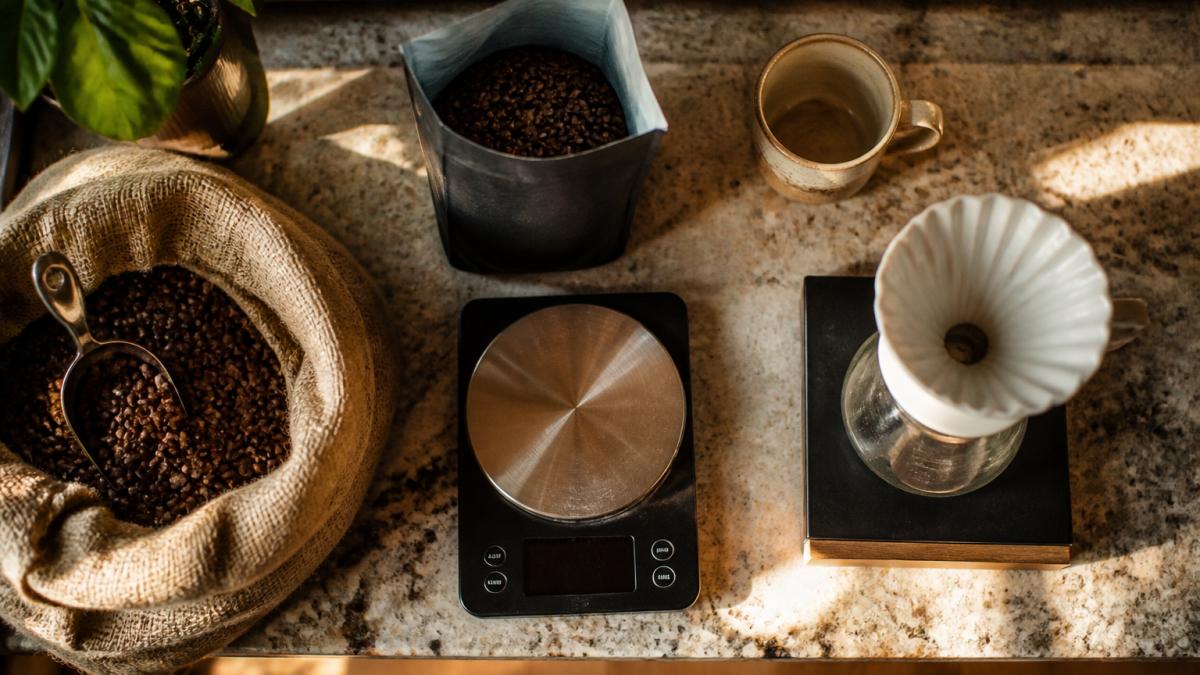
Step 2: Pick a Roast Level, Then Adjust
Start in the middle. Medium roast is the safest first bag because it keeps both sweetness and clarity. If the cup tastes thin or sour, go darker. If it tastes smoky or flat, go lighter. Change one thing at a time so you learn what you like.

Step 3: Read the Bag Before You Buy
The label tells you more than the price tag. Look for four things:
- Roast date, not just a best-by date
- Origin or blend name
- Processing method
If a bag lists none of these, it was not roasted for you.
Best Coffee Beans for Beginners: Where to Start
The best coffee beans for beginners are medium-roast whole beans from a named origin or a well-built blend. They forgive small brewing mistakes and taste good in almost any brewer.
Our pick for a first bag is the Switchyard Blend Medium-Dark Roast Coffee 12 oz. It brings notes of bittersweet chocolate, toasted marshmallow, candied orange, and praline, and it works in drip, pour-over, or espresso.
Light vs Medium vs Dark Roast Coffee
The difference between light, medium, and dark roast coffee is how far the roast progresses past first crack, the audible pop when moisture inside the bean escapes and the bean expands. Roasters stop the batch at different points along that curve, and where they stop determines how much origin character survives versus how much roast flavor gets built.
| Roast | Stop Point | Flavor | Acidity | Body | Best For |
|---|---|---|---|---|---|
| Light | Just past first crack | Fruity, floral, tea-like, sometimes grassy | High | Light | Pour-over, Chemex, black coffee |
| Medium | Between first and second crack | Balanced, sweet, nutty, caramel | Medium | Medium | Drip, AeroPress, most beginners |
| Medium-dark | Approaching second crack | Chocolate, toasted sugar, mild smoke | Medium-low | Full | Espresso, moka pot, milk drinks |
| Dark | Into or past second crack | Bittersweet, smoky, roasty, low origin clarity | Low | Heavy | Espresso, cold brew, French press |
What Actually Happens During Roasting
As beans roast, sugars caramelize, amino acids and sugars react to form hundreds of aroma compounds, and acids break down. Chlorogenic acid, one of the main contributors to perceived brightness, degrades as roast progresses.
Beans also lose mass and gain volume. A dark roast can lose 18-20% of its green weight and expand 50% or more in size, which is why dark beans feel lighter and look larger than light beans of the same origin.
How to Pick a Roast Without Guessing
Start in the middle. Medium roast is the safest first bag because it keeps both sweetness and clarity, and it forgives small brewing mistakes. Then adjust one variable at a time:
- Cup tastes thin, sour, or tea-like? Go one step darker. You are likely under-extracting or the bean is too bright for your water and brewer.
- Cup tastes smoky, ashy, or flat? Go one step lighter. Roast flavor is burying the origin.
- Cup tastes bitter but not smoky? That is usually extraction, not roast. Adjust grind before you change beans.
Roast Level and Caffeine
A common myth is that dark roast has more caffeine because it tastes stronger. By weight, the difference is small and often runs the other way: light roasts are slightly denser, so a scoop of light roast can contain marginally more caffeine than the same scoop of dark. By volume, dark roast can win because the beans are larger and fill a scoop with less mass.
Roast Level and Brew Method
Roast and brewer are a pair, not independent choices. A delicate light roast through a French press often tastes muddy because the metal filter lets fines and oils through. A dark, oily roast through a paper pour-over can taste ashy because the paper traps the very compounds that make dark roast pleasant. Match them:
- Pour-over and Chemex: light to medium, paper filter
- AeroPress: medium, paper or metal depending on body preference
- Drip: medium, paper
A common mistake is buying dark roast for a delicate pour-over. You lose the origin flavors you paid for, and you pay a premium for beans whose distinctive character has already been roasted away.
Single-Origin Coffee vs Blend: Which Fits Your Cup
Single-origin coffee is beans from one country, region, farm, or sometimes one lot within a farm; a blend mixes beans from several places. That is the definition. The useful question is which one to buy, and the answer depends on what you want from a bag.
What Single-Origin Actually Tells You
A single-origin label narrows the range of flavors you can expect, but it does not guarantee them. Two washed Ethiopian coffees from neighboring washing stations can taste noticeably different because of variety, altitude, processing, and harvest timing.
Single-origin coffees are also seasonal. A specific lot may be available for a few months and then gone until the next harvest.
What a Blend Actually Tells You
A blend is a recipe. The roaster picks components to hit a target flavor profile and adjusts the recipe as components change, so the bag you buy in March tastes like the bag you buy in September.
Switchyard Blend Medium-Dark Roast Coffee 12 oz →
Blends also let roasters do things a single origin cannot. A roaster can combine a bright washed African bean for acidity with a sweet Brazilian bean for body, and end up with a cup that is more balanced than either component alone.
How to Decide
| If you want... | Buy... |
|---|---|
| A dependable daily cup that tastes the same every time | Blend |
| To learn what a region tastes like | Single-origin |
| A bean that works across drip, pour-over, and espresso | Blend |
| A bean to brew one specific way and explore | Single-origin |
| A gift for someone whose taste you do not know | Medium-roast blend |
| Something to compare against another bag | Single-origin, same region, different farm |
A Practical Tasting Workflow
Most beginners buy bags at random and never build a reference. A better approach:
- Pick one variable to change. Buy two single-origins from the same region and roast level, or one single-origin and one blend at the same roast level. Do not change everything at once.
- Brew them the same way. Same brewer, same grind, same ratio, same water. If you change the brew method, you are tasting the method, not the bean.
- Taste side by side, not from memory. Brew both, let them cool slightly, and alternate sips. Warm coffee hides acidity; cooler coffee reveals it.
- Write down three words per cup. Not a score, just three descriptors. "Sweet, nutty, heavy" is enough. Over a few months, patterns emerge.
- Narrow, then repeat. Once you know you prefer washed Central American beans at medium roast, you can buy with confidence and only occasionally branch out.
What the Label Does Not Tell You
Origin and blend status are starting points, not guarantees. A single-origin label says nothing about roast date, processing, or how the coffee was stored. A blend label says nothing about component quality, a blend can be built from excellent lots or from whatever was left in the warehouse. Read the roast date, the processing method, and the tasting notes alongside the origin line, and treat all of them as clues rather than promises.
How to Choose Coffee Beans for Cold Brew
For cold brew, choose a medium-dark or dark roast with low acidity and a coarse grind. Cold water pulls less acidity than hot water, so a darker bean gives you the bold, sweet cup cold brew is known for.
Switchyard Blend works well for this. Start with a 1:15 coffee-to-water ratio and adjust from there.
Flavor Notes, Acidity, Body, and Aroma: Reading the Label
Tasting notes describe what the roaster tasted, not added flavors. Acidity is the bright, tangy quality in coffee, not sourness. Body is how heavy the coffee feels on your tongue. Aroma is the smell, which drives most of what you taste.
Use the notes as a guide, not a test. If a bag says "candied orange," you should notice a citrus edge, not a piece of fruit.
Processing Methods: Washed, Natural, and Anaerobic
Washed beans are rinsed clean after picking, giving a crisp, clear cup. Natural beans dry inside the fruit, adding sweetness and berry notes. Anaerobic fermentation uses sealed tanks, producing bold, unusual flavors. If you want clarity, go washed. If you want sweetness, go natural.
Origin, Growing Region, and Altitude
Origin shapes flavor before roasting even starts. Higher altitude usually means denser beans and more acidity. East African beans often taste bright and floral; South American beans lean sweet and nutty. Our Switchyard Blend pairs both, using Caturra and Ethiopia Heirloom beans from East Africa and South America.
Freshness, Roast Date, and Storage After Opening
Freshness matters more than origin, roast, or price. Coffee starts losing flavor within days of roasting, and ground coffee goes stale fastest.
Store beans in an airtight container away from light and heat. Skip the fridge; moisture and odors get in.
That is the real gap between grocery coffee and a fresh roaster.
Budget, Value, and Package-Size Tradeoffs
Cheaper beans cost less per ounce, but you often buy more of them. A 12 oz bag of fresh specialty coffee beats a 24 oz tub that has sat on a shelf since last year. Value is flavor per cup, not price per pound.
For most homes, a 12 oz bag is the right size for two to three weeks of daily brewing. Office break rooms and wholesale accounts should size up instead.
Frequently Asked Questions
How fresh should coffee beans be when you buy them?
Look for a roast date printed on the bag, not just a best-by date. Beans taste best between 5 and 30 days after roasting. After that window, they still work but lose aroma and sweetness. Bags that only list an expiration date give you no way to judge freshness, so treat that as a warning sign. Buying from a roaster that ships within days of roasting, like Mainline Roastery's roasted-to-order model, keeps you inside the peak window.
What are the best coffee beans for beginners?
Start with a medium or medium-dark roast. These roast levels balance sweetness and body without the sharp acidity of a light roast or the smoky heaviness of a dark roast. A blend is usually more forgiving than a single-origin because the roaster has already balanced the flavors. Whole beans plus a medium grind for drip or pour-over is the simplest setup. Once you know what you like, move toward single-origin lots to explore specific growing regions.
What coffee beans are best for cold brew?
Cold brew rewards medium to dark roasts with chocolate, caramel, or nutty notes. Coarse grind matters more than the bean itself: too fine and the brew turns bitter and muddy. Use a 1:5 coffee-to-water ratio for concentrate, steep 12 to 18 hours at room temperature or 18 to 24 hours in the fridge, then dilute to taste. Beans with bright, fruity acidity can work, but they read differently cold than they do hot.
What is the difference between single-origin coffee and a blend?
Single-origin coffee comes from one growing region, farm, or cooperative, so the cup reflects that place: its soil, altitude, and processing method. Blends combine beans from multiple origins, and the roaster builds them for consistency and balance. Single-origin is better if you want to taste how a region differs from another. Blends are better if you want a dependable cup every morning, especially for espresso or milk-based drinks where balance beats nuance.
Choosing beans still feels like guesswork when every bag makes the same claims. Mainline Roastery takes the guesswork out: we roast to order, ship the same day, and print the roast date on every bag. Our Switchyard Blend and single-origin offerings give you bold flavor with nothing hidden. Get started with Mainline Roastery and taste what fresh roasting actually delivers.