

Table of Contents
- What Makes Coffee Beans Fresh
- How to Tell if Coffee Beans Are Fresh
- How Long Do Coffee Beans Stay Fresh
- Best Practices for Coffee Bean Storage
- Choosing the Right Roast and Origin for Your Brew Method
- What to Look for When You Order Fresh Coffee Beans Online
- Frequently Asked Questions
Last Updated: September 5, 2026
What Makes Coffee Beans Fresh
Freshness in coffee beans comes down to when they were roasted and how they've been stored since. Unlike tea or wine, coffee doesn't improve with age. The moment beans leave the roaster, they begin losing the volatile compounds that create flavor, aroma, and complexity. A bag of beans roasted yesterday tastes dramatically different from one roasted six months ago, even if stored identically.
When you order fresh coffee beans online, the roast date matters more than anything else on the label. Beans reach peak flavor between 3-10 days after roasting, when CO2 has largely degassed but the flavor compounds remain intact (sca.coffee). This window is why specialty roasters emphasize roast-to-order models. Mainline Roastery ships beans the same day they're roasted.
The freshness guarantee starts with the roasting process itself. Small-batch roasting allows roasters to control variables precisely and roast only what customers have ordered. This contrasts sharply with mass-produced beans sitting in warehouse conditions for months before reaching retail shelves.
How to Tell if Coffee Beans Are Fresh
The most reliable indicator is the roast date printed on the bag. If you don't see one, that's a red flag. Fresh beans should have been roasted within the last two weeks, ideally within the last few days when you order fresh coffee beans online.
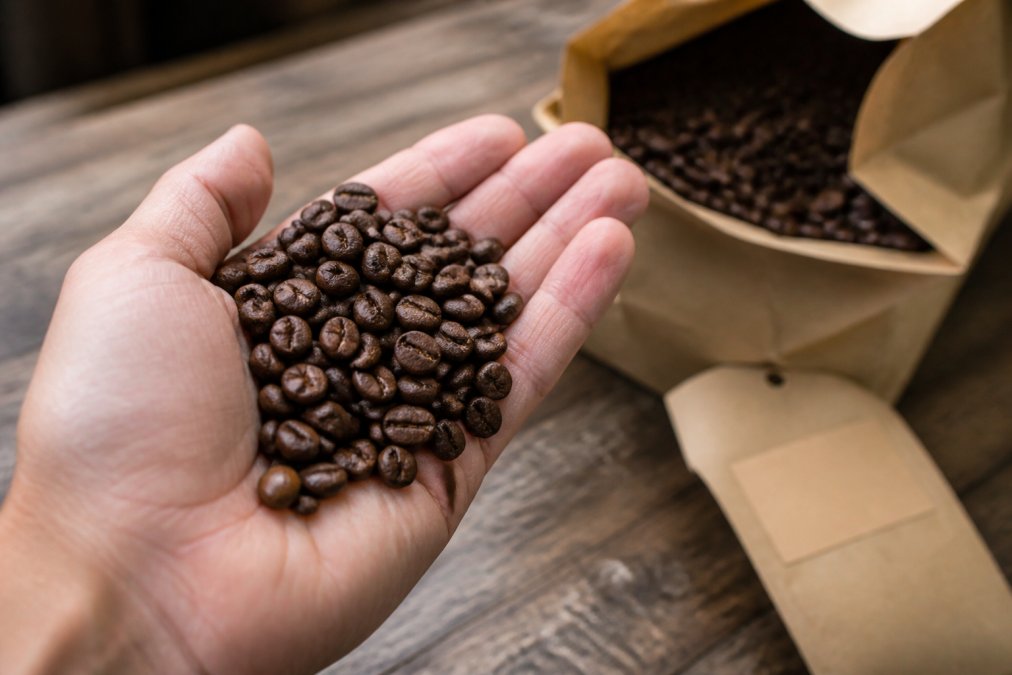
Visual inspection provides immediate clues. Fresh beans have a glossy, oily appearance on the surface. Dull, matte beans indicate oxidation and flavor loss. The color should be consistent across the batch, ranging from light cinnamon to deep chocolate depending on the roast profile, but never gray or ashy.
Smell is another powerful indicator. Open the bag and take a deep breath. Fresh coffee beans release a rich, complex aroma. Stale beans smell flat or musty. If the aroma is weak, the beans have already lost significant flavor compounds.
When you brew a cup, freshness becomes undeniable. Fresh beans produce a full-bodied cup with clear tasting notes. Stale coffee tastes thin, bitter, or one-dimensional. The crema on espresso should be thick and persistent; on stale beans, it's thin or absent.
How Long Do Coffee Beans Stay Fresh
Whole beans maintain peak flavor for approximately 2-4 weeks after roasting under ideal storage conditions, but this timeline masks a critical detail most retailers won't explain: the first 24-48 hours after roasting are not ideal for brewing.
Immediately after roasting, beans undergo a process called degassing, where trapped carbon dioxide (CO2) escapes from the bean's interior. This gas buildup affects extraction consistency and can create uneven flavor. Beans roasted yesterday may produce sour, thin shots in espresso or over-extracted, muddy cups in pour-over because the CO2 interferes with water penetration and contact time. This is why specialty roasters often recommend waiting 3-5 days after roast before brewing, not because the beans aren't "fresh," but because they're too fresh. The optimal window is 3-10 days post-roast, when CO2 has largely escaped but volatile flavor compounds remain intact.
After the 10-day mark, flavor degradation accelerates noticeably. By week three, most beans have lost 30-40% of their aromatic complexity (peer-reviewed research). By week four, the loss becomes undeniable in the cup. After six weeks, even under perfect storage, beans taste noticeably flat and one-dimensional.
Roast level affects this timeline significantly. Light roasts, with their delicate, nuanced flavor profiles, reach peak flavor faster (around day 5-7) and decline more rapidly because their lighter density means faster oxidation. A light roast Ethiopian natural-process bean is most rewarding between days 5-14. Medium roasts peak around day 7-10 and hold quality through day 21. Dark roasts, with their denser structure and bolder flavors, peak later (day 8-12) and maintain acceptable flavor through day 25-30 because the roasting process has already driven off many volatile compounds.
Single-origin beans, prized for their terroir and processing characteristics, are most rewarding when fresh because their distinct regional flavors, floral notes in Ethiopian Yirgacheffe, berry notes in Kenyan AA, or chocolate notes in Colombian Geisha, fade fastest. Blends, by contrast, are often engineered to maintain consistency over a longer window because the combination of origins creates redundancy in flavor.
Ground coffee deteriorates dramatically faster than whole beans. Once ground, surface area exposure to oxygen increases exponentially. Ground coffee loses 60% of its aromatic compounds within 15 minutes of grinding and becomes noticeably stale within 2-4 hours. This is why grinding immediately before brewing, not hours or days ahead, is non-negotiable for specialty coffee.
Storage conditions compress all these timelines. Beans stored in a cool, dark, airtight container at 60-70°F last significantly longer than those exposed to heat, light, or humidity. A bag left open on a kitchen counter loses freshness 3-4 times faster than one sealed in a vacuum-bag or airtight container. Temperature fluctuations are particularly damaging; beans stored near an oven or in a cabinet above a refrigerator age faster because heat accelerates oxidation.
Best Practices for Coffee Bean Storage
Store beans in an airtight container away from direct sunlight and heat sources. Ceramic, glass, or vacuum-sealed bags work well. Avoid clear containers that expose beans to light, which accelerates oxidation. The freezer is often recommended but is actually counterproductive for regular use. Freezing creates condensation when beans warm up, introducing moisture that degrades flavor. Freeze only if you're storing beans beyond a month.
Keep beans at room temperature, ideally between 60-70°F. A pantry or cabinet works perfectly. Never store near the stove, oven, or windows where temperature fluctuates.
Buy only what you'll use within 2-3 weeks. Larger bags cost less per ounce but mean older beans by the time you finish them. Smaller, more frequent orders ensure you're always brewing fresh coffee.
Choosing the Right Roast and Origin for Your Brew Method
Different brewing methods extract flavor at different rates and temperatures, which means the same bean can taste dramatically different depending on how you brew it. Matching your bean choice to your brewing method ensures you're tasting what the roaster intended, not fighting against the bean's natural characteristics.
Pour-Over and Drip Brewing (Chemex, V60, Melitta, automatic drip)
These methods use paper or metal filters and contact times of 3-4 minutes, which favor lighter roasts where delicate, nuanced flavors shine. Light roasts preserve the bean's origin characteristics, the floral notes in an Ethiopian Yirgacheffe, the citrus brightness in a Kenyan AA, or the tea-like clarity in a Rwandan Bourbon. The paper filter removes oils and sediment, so you get a clean, bright cup that highlights tasting notes rather than body.
Single-origin light roasts are ideal here. Look for beans described as "light city" or "first crack" roasts, typically roasted to an internal temperature of 350-370°F. These beans retain maximum acidity (which means brightness and complexity, not sourness) and floral or fruity notes. Avoid dark roasts for pour-over; they'll taste thin and one-dimensional because the roasting process has already driven off the delicate compounds that make pour-over special.
Espresso
Espresso uses high pressure (9 bars) and rapid extraction (25-30 seconds), which demands beans with body and sweetness to cut through milk and stand up to the intensity. Medium-dark to dark roasts work best because their heavier body, lower acidity, and caramelized sugars create the thick, syrupy texture espresso requires. The roasting process has already broken down complex acids into sweeter compounds, which is why a dark roast that would taste bitter in pour-over tastes balanced and sweet in espresso.
Blends are common in espresso because they're engineered for consistency and body. A typical espresso blend combines a high-body bean (often a Brazilian or Indonesian natural-process bean) with a complementary single-origin (often African or Central American) to add complexity. Look for beans labeled "espresso roast" or "espresso blend," typically roasted to 380-410°F internal temperature. These beans produce thick crema, full body, and balanced sweetness. Single-origin espressos work too, but they're more variable; a light-roasted single-origin espresso will taste sour and thin, while a dark-roasted single-origin may taste flat or ashy.
French Press and Immersion Brewing
French press steeps grounds in hot water for 4 minutes, then uses a metal filter that allows oils and fine particles through. This method produces a full-bodied, rich cup that benefits from medium roasts. Medium roasts balance clarity (you can taste origin characteristics) with body (the cup feels substantial). Light roasts in a French press taste thin because there's not enough oil and body to fill the cup. Dark roasts work but often taste flat or one-dimensional because the immersion method extracts everything, including bitter compounds.
Medium-roasted single-origins work beautifully here. A medium-roasted Colombian or Brazilian bean will show chocolate and nutty notes while maintaining enough body to feel luxurious. Blends designed for immersion methods are also common and often include higher-body beans that shine in this brewing style.
Cold Brew
Cold brewing steeps grounds in cold water for 12-24 hours, which extracts slowly and produces a naturally sweet, low-acid concentrate. Medium to dark roasts work well because the long contact time extracts plenty of body and sweetness. Light roasts in cold brew can taste thin or underdeveloped because the cold water doesn't extract delicate compounds as efficiently. Dark roasts are popular because they produce a smooth, bold concentrate that works well diluted with water or milk.
Brazilian and Indonesian beans (natural-process, full-bodied) are cold-brew favorites because they're already sweet and low-acid, which aligns with cold brew's natural profile.
Matching Origin to Brewing Method
Beyond roast level, origin matters. Ethiopian and Kenyan beans (often floral, fruity, tea-like) shine in pour-over where clarity is prized. Brazilian and Indonesian beans (often chocolate, earthy, full-bodied) excel in espresso and French press where body is valued. Central American beans (often balanced, chocolate, nutty) work across multiple methods because they're naturally versatile.
What to Look for When You Order Fresh Coffee Beans Online
Start with the roast date. It should be recent, ideally within the last week. Any retailer not displaying a roast date isn't prioritizing freshness.
Check the sourcing information. Direct trade, fair trade, or transparent single-origin sourcing indicates the roaster cares about quality at every step. Vague descriptions like "premium blend" without origin details suggest commodity-grade beans.
Shipping speed matters. A roaster that ships the same day you order has a fundamentally different business model than one that batches orders weekly. Mainline Roastery ships roasted-to-order beans the same day.
Look for subscription options if you drink coffee regularly. Subscriptions lock in pricing, ensure regular delivery of fresh beans, and often include small discounts. Many roasters, including specialty providers, offer flexible subscription models where you control frequency and bean selection.
Read reviews, but focus on freshness and flavor feedback rather than vague praise. Real customer feedback about how the coffee performed in their brewing method is more valuable than marketing language.
Ordering fresh coffee beans online means prioritizing roast date, sourcing transparency, and fast shipping. The difference between fresh and stale coffee is dramatic, fresh beans deliver the complexity and boldness that specialty roasting creates. At Mainline Roastery, we roast to order and ship the same day, ensuring your beans arrive at peak flavor. Specialty Coffee Association standards on freshness confirm that beans within 2-4 weeks of roasting deliver optimal flavor. When you're ready to experience truly fresh coffee, the Switchyard Blend medium-dark roast ($17.99 at https://mainlineroastery.com/products/switchyard-blend) is roasted fresh and shipped immediately, delivering the bold, complex flavor that specialty coffee is known for. Start with a single bag to experience the difference freshness makes in your cup.

Frequently Asked Questions
How do I know if coffee beans are actually fresh when I order fresh coffee beans online?
The roast date is your proof. Fresh specialty roasters print the roast date directly on the bag, not a vague 'best by' date months away. Beans roasted within the last 1-2 weeks deliver peak flavor. Check for a glossy surface and strong aroma when you open the bag. Avoid beans that look dull or smell flat. Reputable online roasters like Mainline Roastery ship beans the same day they're roasted, so you receive them at their peak.
What is the best way to store coffee beans to keep them fresh longer?
Store beans in an airtight container away from light, heat, and moisture. A sealed jar or vacuum-sealed bag works well. Keep them at room temperature, never in the refrigerator or freezer, which expose beans to condensation and temperature swings that degrade flavor. Whole beans stay fresh for 2-4 weeks after roasting if stored properly. Ground coffee loses freshness much faster, so grind only what you'll use within a few days.
How long do coffee beans stay fresh after roasting?
Whole beans peak in flavor 5-10 days after roasting and remain excellent for up to 4 weeks in proper storage. The first few days after roasting, beans release CO2 (degassing), which affects extraction in espresso machines. After 4 weeks, flavor fades noticeably. This is why roast-to-order services matter, you get beans at their prime window, not weeks old from a warehouse shelf.
Why is roast-to-order coffee better than buying from grocery stores?
Grocery store beans sit in warehouses and on shelves for weeks or months, losing flavor and aroma long before you brew them. Roast-to-order roasters like Mainline Roastery roast your beans fresh and ship them the same day, so they arrive within days at peak freshness. You also get transparency, you know the roast date, the origin, and the roasting process. Specialty roasters source single-origin and blended beans with intentional flavor profiles.