

Table of Contents
- What Makes a Coffee Single Origin?
- Single Origin vs Blend Coffee: Which Should You Buy?
- How Location Shapes the Flavor in Your Cup
- Best Brewing Methods for Single Origin Coffee
- How to Taste Coffee Notes Like a Pro
- Choosing Beans: Roast Date, Processing, and Budget
- Final Take on Single Origin Coffee Beans
- Frequently Asked Questions
Last Updated: September 6, 2026
What Makes a Coffee Single Origin?
Single origin coffee is coffee that comes from one specific farm, cooperative, or region within a single country, rather than a blend of beans from multiple locations. The term signals traceability: you can point to the exact place where the coffee was grown, often down to the producer. For coffee enthusiasts, that transparency is the entire appeal, because it lets you taste a place in the cup.
At Mainline Roastery LLC, we roast single-origin lots in small batches to preserve the distinct character of each harvest. A single origin coffee beans review isn't just about flavor; it's about understanding the chain from soil to cup. When you buy single origin coffee, you get a direct line to the terroir, the processing method, and the farmer's decisions, all of which shape what ends up in your mug.
The practical difference shows up immediately in the cup. A single origin coffee from Ethiopia tastes nothing like one from Brazil, even if both are roasted to the same level. That clarity is why many specialty coffee drinkers prefer single origin for pour-over and manual brewing, where subtle notes are easier to detect.
Single Origin vs Blend Coffee: Which Should You Buy?
The choice between single origin vs blend coffee comes down to what you value more: distinctiveness or consistency. Blends exist to create a balanced, repeatable flavor profile that tastes the same bag after bag, which is why most commercial roasters and coffee shops default to them. Single origin coffee, by contrast, celebrates variation and offers a snapshot of one harvest.
Most guides get this comparison wrong by treating single origin as inherently superior. It isn't. Blends are the right choice for espresso milk drinks, where the milk masks delicate notes anyway, and for anyone who wants the same cup every morning. Single origin shines when you brew black, especially with pour-over or a Chemex, because the brewing method lets the origin characteristics come through.
The real answer depends on your routine:
- Choose single origin if you brew black coffee and enjoy tasting differences between regions
- Choose a blend if you drink espresso-based drinks or want predictable flavor
- Choose single origin if you're curious about coffee and want to train your palate
Roasters often blend single origins with other lots to create house blends, but the beans themselves are roasted and stored separately to preserve their character. Freshness matters more than origin type, so whichever you buy, check the roast date before anything else.
How Location Shapes the Flavor in Your Cup
Coffee is a agricultural product, and like wine, the place it grows leaves a fingerprint on the flavor. Altitude, rainfall, soil composition, and temperature all influence how the cherry develops, a concept known as terroir. A washed process coffee from a high-altitude farm in Colombia will taste brighter and cleaner than a natural process coffee from the same region, and the differences between continents are even more pronounced.
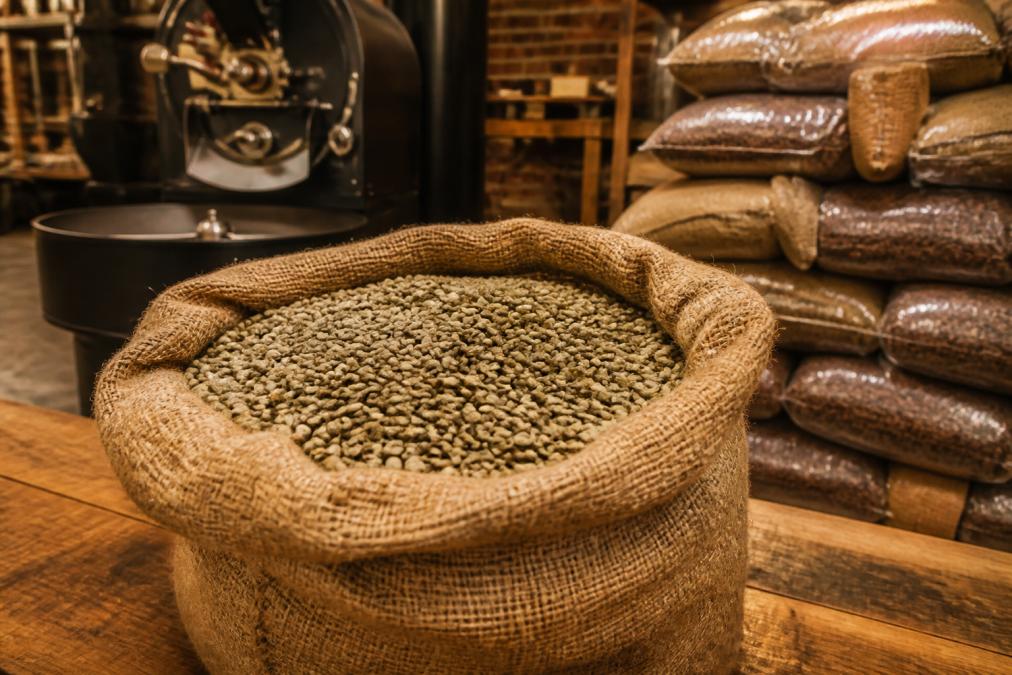
This is where a single origin coffee beans review gets interesting: the region is the headline, and the varietal and processing are the supporting cast. Understanding the major growing regions gives you a shortcut to finding the flavor profile you already like. If you know you prefer chocolatey, full-bodied cups, you can skip the floral African coffees and head straight to the Americas.
Africa: Floral and Fruity Profiles
African coffees, particularly from Ethiopia and Kenya, are famous for their complexity. Expect bright acidity, floral aromatics, and pronounced fruit notes like bergamot, jasmine, and stone fruit. Ethiopian heirloom varietals are often processed using the natural method, which dries the coffee inside the cherry and produces intensely fruity, sometimes winey cups. These are the coffees that taste nothing like the average supermarket bag, and they reward a light to medium roast that preserves their delicate structure.
The Americas: Chocolate and Nut Notes
Coffees from Colombia, Brazil, Guatemala, and Costa Rica tend to be more approachable. You'll find chocolate, caramel, and nut flavors with a rounder body and softer acidity. These are the single origins that convert people who think they don't like black coffee. The washed process is common here, which gives a clean cup with well-defined sweetness. For a first single origin purchase, a Central American coffee is the safest bet because it's familiar yet noticeably better than commodity blends.
Asia: Earthy and Spicy Characteristics
Indonesian coffees, especially from Sumatra and Java, are the opposite of the African profile. They're low in acidity, heavy in body, and carry earthy, spicy, and sometimes herbal notes. Wet-hulled processing, common in Sumatra, creates that signature deep, almost savory cup. These coffees hold up well to darker roasts and are a good match for anyone who finds light-roasted African coffees too tart or delicate.
Best Brewing Methods for Single Origin Coffee
The best brewing methods for single origin coffee are pour-over, the Chemex, and the AeroPress, because they highlight clarity and acidity rather than masking them. These manual methods give you control over water temperature, grind size, and brew time, which lets you pull out the specific notes the roaster intended. Espresso machines can work, but they compress the flavor and often hide the subtle differences between origins.
For African coffees with floral and fruity notes, use a pour-over cone with a medium-fine grind and water just off the boil, around 200 to 205 degrees Fahrenheit (nist.gov). For American coffees with chocolate and nut profiles, a Chemex produces a clean, sweet cup that shows off the body. For Asian coffees that are earthy and heavy, an AeroPress or a French press works well, since immersion brewing preserves the oils and mouthfeel.
Grind size is the variable most home brewers get wrong. Too fine and the coffee over-extracts, turning bitter; too coarse and it under-extracts, tasting sour and weak. A burr grinder is non-negotiable for single origin, since blade grinders produce uneven particles that muddle the flavor. If you're coming from pre-ground coffee, expect a learning curve, but the payoff is immediate: freshly ground beans retain their volatile aromatics for only minutes after grinding.
Brewing method matters more for single origin than for blends because there's less flavor to hide behind. A blend is designed to taste good with any method; a single origin rewards attention to technique. That's the trade-off: more effort, but a more interesting cup.
How to Taste Coffee Notes Like a Pro
Tasting coffee notes is a skill you build by comparing coffees side by side and using a consistent vocabulary. Cupping, the industry standard method, involves steeping coarsely ground coffee in hot water, then slurping it from a spoon to aerate it across your palate. You don't need a full cupping setup at home, but the same principles apply to any brew: smell the grounds dry, smell them wet, and taste in small sips while the coffee is warm.
The Specialty Coffee Association uses a 100-point cupping score to evaluate coffee, with scores above 80 considered specialty grade (sca.coffee). That scoring system measures fragrance, flavor, aftertaste, acidity, body, and balance, among other attributes. You don't need to assign numbers, but you should practice naming what you perceive, starting with broad categories like acidity, sweetness, and body before drilling into specific notes.
A practical tasting routine looks like this:
- Smell the dry grounds and note the first aroma you detect
- Add hot water and smell the wet coffee as it blooms
- Taste immediately, focusing on the first impression
- Let the coffee cool and taste again, noting how flavors change
- Identify the aftertaste, which lasts 10 to 30 seconds after swallowing
Acidity in coffee isn't sourness; it's the bright, lively quality that makes your mouth water. A coffee described as citric might remind you of orange zest, while one described as malic might recall green apple. Body is the weight and texture of the coffee on your tongue, ranging from tea-like and light to syrupy and heavy.
Most people start by tasting two very different single origins side by side, such as an Ethiopian natural and a Colombian washed. The contrast makes the characteristics of each obvious, and after a few comparisons, you'll start identifying those notes in new coffees without being told what to expect.
Choosing Beans: Roast Date, Processing, and Budget
Roast date is the single most important factor in choosing single origin coffee beans, more important than origin or roast level. Coffee is at its peak flavor between 4 and 14 days after roasting, when the beans have degassed enough to extract evenly but haven't begun to stale (peer-reviewed research). Whole beans stay fresh longer than pre-ground, but even whole beans lose their aromatic compounds within a few weeks, so buy in small quantities and use them quickly.
The processing method determines the flavor ceiling of a coffee. Washed process coffees are clean and bright, with acidity leading the profile. Natural process coffees are fruit-forward and sometimes funky, with heavier body. Honey process sits between the two, offering sweetness with moderate clarity. When you're comparing single origins, the processing method tells you more about the expected flavor than the country of origin does.
Light roasts preserve the most origin character, which is why most specialty roasters favor them for single origin. Medium roasts balance origin notes with roast sweetness, while dark roasts dominate the bean's natural character with smoky, bitter flavors. If you're buying a single origin to taste its terroir, choose a light or medium roast. A dark-roasted single origin defeats the purpose, since you won't be able to distinguish it from a dark-roasted blend.
Budget is where the conversation gets honest. Single origin coffee costs more than commodity blends because it's produced in smaller quantities and often purchased through direct trade relationships that pay farmers above commodity prices. The price difference reflects traceability and quality, not just a marketing label. That said, you don't need to spend top dollar for a great cup: many excellent single origins are available at mid-range prices, and the freshness of the roast matters more than the prestige of the name.
Fair trade certification guarantees a minimum price to farmers, while direct trade is a relationship-based model where roasters buy directly from producers, often paying above fair trade rates. Both support ethical sourcing, but direct trade typically results in higher quality because the roaster has direct control over the supply chain and can select specific micro-lots.
Final Take on Single Origin Coffee Beans
Single origin coffee rewards the extra effort it demands, offering a level of flavor clarity and traceability that blends simply can't match. The best approach is to start with a washed coffee from the Americas if you want an accessible introduction, or jump straight to an Ethiopian natural if you're chasing something exotic. Either way, buy whole beans with a recent roast date, grind them fresh, and brew with a method that highlights clarity.
The single origin coffee beans review process ultimately comes down to your palate and your routine. If you drink coffee black and enjoy exploring flavor, single origin is worth the premium. If you're adding milk and sugar, a quality blend will serve you just as well at a lower cost. There's no wrong answer, only the wrong coffee for your brewing method.
Our team at Mainline Roastery LLC roasts single-origin lots in small batches and ships them fast, so the beans arrive within days of roasting rather than weeks. We source ethically and roast bold, which suits both the coffee enthusiast dialing in a pour-over and the office manager upgrading a break room. Wholesale inquiries are welcome for cafes and workplaces that want a dependable supply of freshly roasted coffee.
Frequently Asked Questions
Is single origin coffee always better than a blend?
No. Single origin coffee highlights the unique flavor profile of one farm or region, offering a distinct and traceable taste. Blends combine beans to create a balanced, consistent cup that works well with milk and sugar. One is not inherently superior. Your choice depends on whether you want to explore a specific origin's character or prefer a dependable, everyday flavor. Both have a place in a well-stocked coffee routine.
What is the best brewing method for single origin beans?
The best method depends on the roast level and the flavor notes you want to highlight. For light roasts with floral or fruity acidity, pour-over methods like a V60 or Chemex offer clarity. For medium roasts with chocolate and nut notes, an AeroPress or a French press produces a fuller body. Espresso machines work best with beans roasted specifically for that purpose. Start with a pour-over to taste the origin's true character.
How should I store single origin coffee to maintain freshness?
Store your beans in an airtight, opaque container at room temperature, away from direct sunlight, heat, and moisture. Do not keep them in the refrigerator or freezer, as this introduces moisture and can cause the beans to absorb other odors. Buy whole beans and grind them right before brewing to preserve the volatile oils that carry the flavor. For best results, use the beans within two to four weeks of the roast date.
Choosing the right coffee doesn't have to be complicated, but it does require paying attention to roast dates, processing methods, and your own preferences. Mainline Roastery LLC handles the sourcing and roasting so you can focus on the brewing. Explore our single-origin offerings and see the difference that freshness makes in your cup. Get started with Mainline Roastery and taste coffee the way it was meant to be.